
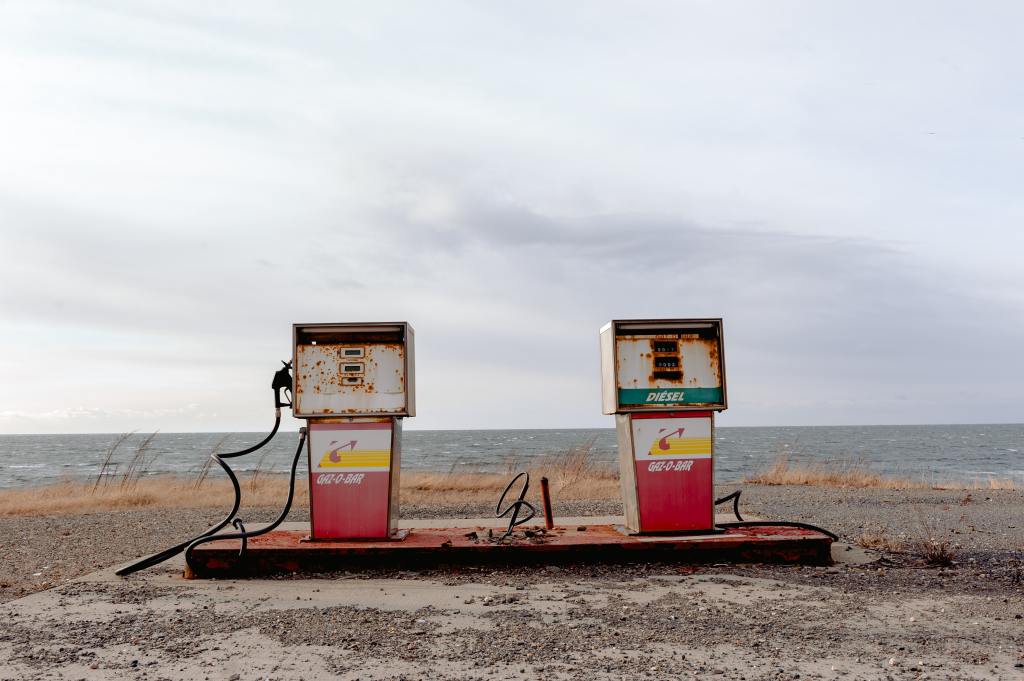
With fuel being a whopping R 22.65 at the time of this article, it’s rather obvious that one would try and drive as efficiently as possible.
But with so many myths out there on how to save fuel, which ones are actually effective? Let’s have a look.
Drive slower.
Now, this might seem like a no-brainer, however, many don’t quite understand the reasoning.
Due to tyre and resistance; the car has to work a lot harder to keep up the speed you want it to in order to cut through the thick air.
Although most car enthusiasts don’t like the idea – dropping your speed from 135km/h (83mph) can save you a whopping 25% on fuel economy.
So something to think about next time you get the hammer down.
Close your windows.
This isn’t always an option – especially if you have no air conditioning in your car but the reality is that having your windows open does result in hindered fuel economy.
Having your windows open causes your car to create more drag, thus making it less aerodynamic. As a result of this, you end up using more fuel.
If you have A/C in your car, rather use that as it only accounts for about a 5% loss in fuel consumption so it’s far more economical.
Keep your tyre pressure at bay.
Checking your tyre pressure regularly is another way of saving on the precious commodity – having slightly deflated tyres causes increased rolling resistance on the road, which causes your car to work harder to keep it going.
Making sure that your tyres are at the correct pressure is important, so next time you fill up, rather have them checked each time.
Smooth as butter.
Driving smoothly plays an integral part in fuel economy. Irregular throttle inputs cause your fuel consumption to fluctuate.
The more throttle is applied the more fuel is injected into the engine (Most modern engines have fuel injection) causing your fuel consumption to be higher than Snoop Dogg.
Modern cars have Cruise control – this can help greatly as the car’s computer regulates the amount of throttle that has to be applied to keep the car going at a constant speed. if you don’t have that option, though, try and drive and brake as smoothly as possible.
Idling is a no-no
Often times we forget that an idling car also uses fuel.
If your car is idling for an extended amount of time – it uses more fuel as the engine is not functioning at its optimal temperature. This results in the fuel only being partly combusted. A way to avoid this is – to turn the car off when you know you’re going to wait a while, of course in traffic, this isn’t really a plausible option but when you’re waiting for someone it’s recommended to turn off your engine.
Modern cars once again have a solution for this; the stop-start option where the car’s engine switches off when you’re stationary then starts back up when you take your foot off the brake. This system can be slightly annoying but it does help with fuel economy.

 Oversteer Cafe
Leave a comment